

Power Battery Recovery
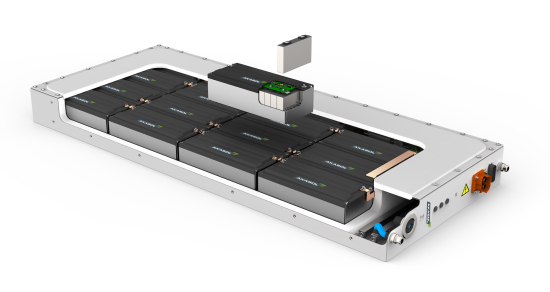
Battery secondary use
Battery secondary use (battery cascade utilization). It means that when the power battery no longer meets the requirements for the use of electric vehicles, it turns to the fields with low requirements on the performance of the battery pack (such as standby power supply, energy storage power station, etc.) to continue to exert the remaining value of the battery pack to realize the maximum value.
Similarly, Secondary utilization power battery also involves battery detection and diagnosis, battery pack disassembly and reorganization, system integration, and the construction of a new battery management system.
However, at present, because different manufacturers use different specifications of cells and modules, different Pack technologies and even incompatible and closed battery management systems, it is a great obstacle to the classification, reorganization and integration of battery reuse. Therefore, efficient automatic dismantling, rapid selection and classification of modules, advanced BMS management system are the key technologies for reuse.
About News
- Classification and performance parameters of solar cells are introduced in detail
- Application of vanadium battery in photovoltaic power generation
- VFB-125kW all-vanadium liquid flow energy storage system
- 32kW container type all vanadium flow battery for energy storage
- The all-vanadium redox flow battery (VRFB) is a large-scale energy storage systems
- A method to stabilize solid-state lithium-ion battery interfaces opens up new possibilities
- New progress in lithium-sulfur battery research: special sulfides do not react with carbonate electrolytes
- A quarter of Australian households use rooftop solar, and the proportion of renewable energy generation in Australia rises to 35%
- How a Lead Battery Is Recycled?
- Vanadium battery energy storage system (4MW class)
Products


Tel:
+86-15366477186
Email:
sale06@kfcscrane.com
Copyright © 2022 KFCS Industrial Co.Ltd. All Rights Reserved